Garage Door Opener Installation and Repair
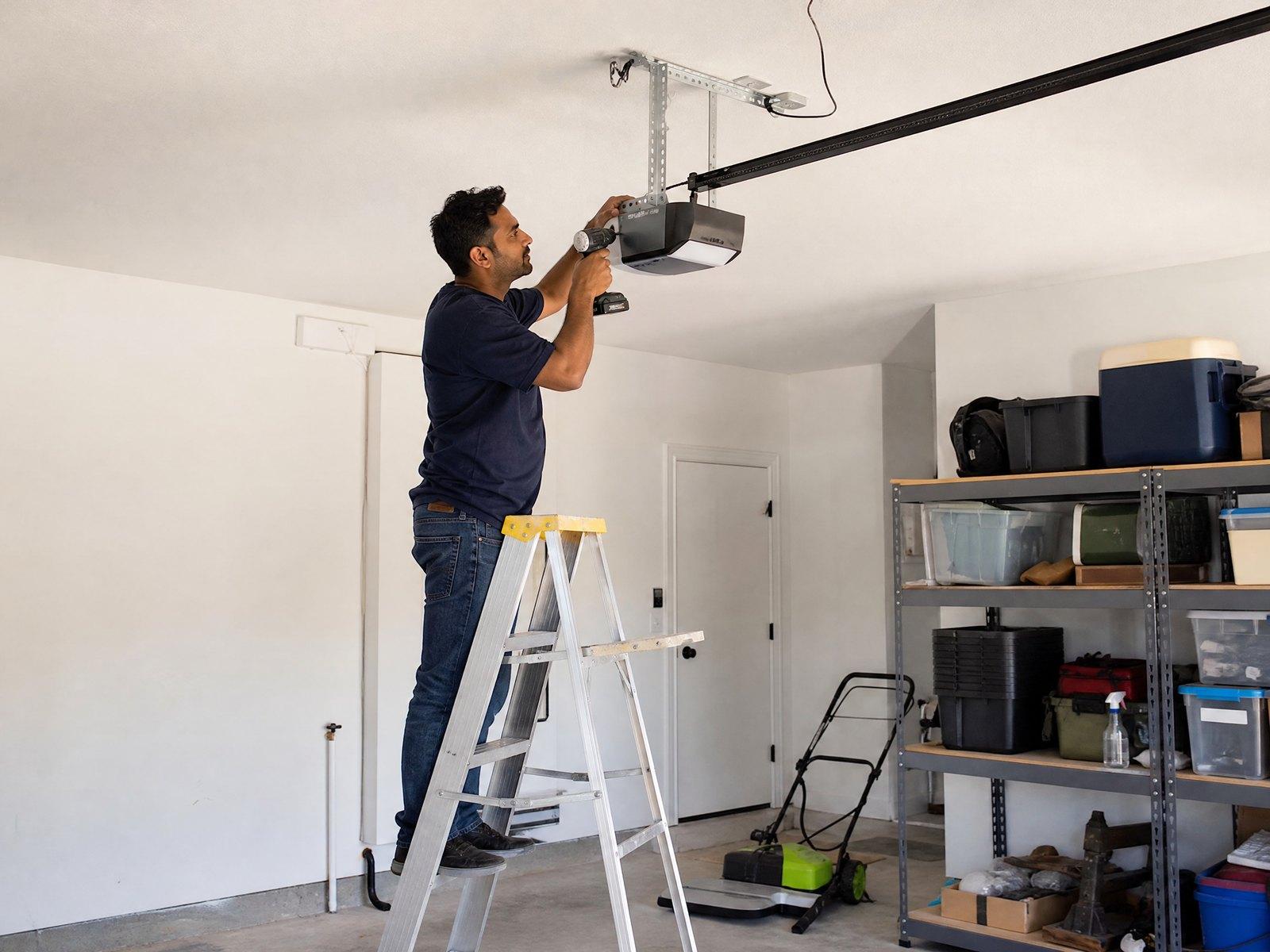
A garage door opener installation puts in a motor, rail, trolley, safety sensors and wall control that lift the door on demand, then sets the travel limits and the force so it reverses on contact. Repair covers gears, circuit boards, remotes and sensors on an opener you already have.
Describe the job and add your city. Free to request, no obligation.
Chain drive openers are the traditional choice and are strong and economical, belt drive is quieter, which matters when a bedroom sits above the garage, and wall-mount (jackshaft) openers free the ceiling and suit high-lift doors. Smart models add app control and battery backup.
Many opener problems are really door problems. A worn spring or a bent track makes the motor work harder and strips gears, so a good installer checks the door balance before fitting any new opener.
What the work includes
- A check of door balance, springs and track before the opener goes on
- Mounting the motor, rail and header bracket
- Wiring the wall control and the safety sensors
- Setting the travel limits and the closing force
- Programming remotes and keypads
- Installing battery backup or a smart module where chosen
- Testing the auto-reverse with an obstruction
- Removing the old opener and carrying away the packaging
Reasons to repair or replace an opener
The motor hums or runs, but the door does not move
The door stops partway, reverses or needs two tries to close
Remotes work from a few feet away but not from the driveway
Grinding sounds from the drive, a sign of a worn gear
The opener is more than fifteen years old and has no safety sensors
A wish for a quieter belt drive or app control
How the work goes, step by step
Check the door
The technician balances the door by hand to confirm it is ready for an opener.
Choose the opener
You pick a drive type and a motor size to suit the door and the garage.
Mount and wire
The rail and motor go up, the wall button and sensors are wired in.
Set limits and force
Travel limits and closing force are set so the door stops cleanly and reverses on contact.
Program and test
Remotes and keypads are paired, and sensors and auto-reverse are tested in front of you.
What changes the price
- Drive type
- Chain, belt and wall-mount openers differ in price and in noise.
- Motor power
- Heavier or insulated doors may need a stronger motor.
- Extras
- Battery backup, Wi-Fi, cameras and lights add to the base price.
- Ceiling and door height
- High-lift doors and unusual ceilings need extended rails or special brackets.
- Door condition
- A door that is out of balance needs a spring or track repair before an opener can be installed.
- Wiring
- A new outlet or a longer run for the wall control adds electrical work.
What a good quote spells out
- The opener model, drive type and horsepower
- Whether battery backup and smart features are included
- What the price covers for remotes, keypads and wall controls
- How old openers are removed and disposed of
- The warranty on the motor and on the installation
Opener Installation & Repair: questions people ask
Which is better, a chain drive or a belt drive opener?
Chain drives are strong and cost less but run louder. Belt drives are quieter, which helps if living space is near the garage.
Why does the garage door reverse before it closes?
Dirty or misaligned safety sensors are the usual cause. A tight spot in the track or the closing force setting can also do it.
Does a new opener work with old remotes?
Usually not. Different brands and generations use different codes, so new remotes are normally part of the install.
Is a wall-mount opener worth it?
It frees ceiling space and suits high-lift doors and garages with storage or lifts overhead. It costs more than a standard overhead opener.
Other Foyen services
Door Stuck, Noisy or Off Track? Get It Looked At.
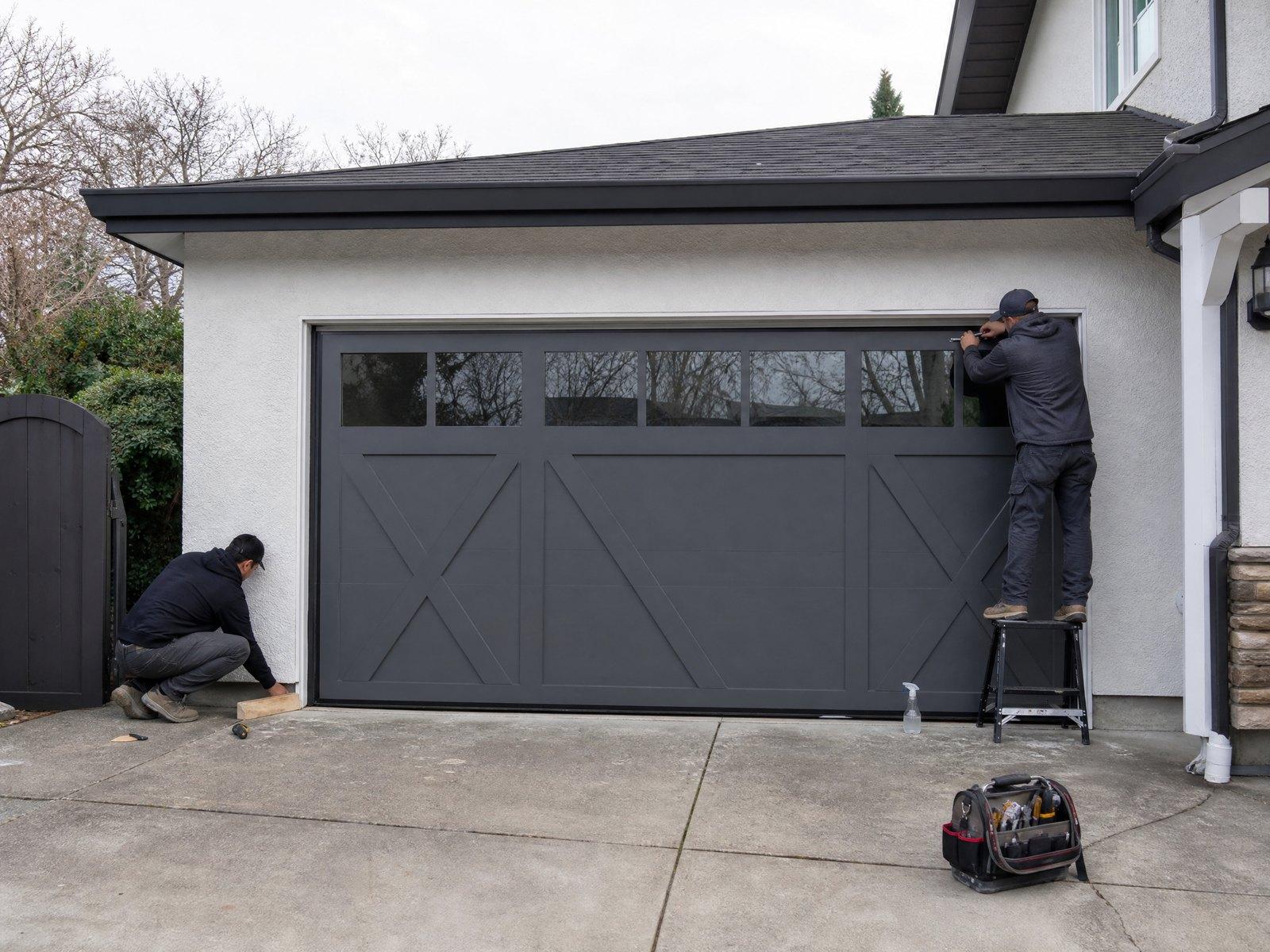
Fill out the quote form with your city and what the door is doing. A local technician follows up to look at the door and give you a written quote. Free to request, no obligation.
Request a free quote →