Garage Door Weather Seals and Insulation Upgrades
Garage door weather seals close the gaps around the door: a rubber or vinyl strip along the bottom, stop moulding with a seal along the sides and top, and sometimes a threshold on the floor. Insulation, either built into the door or added as a kit, slows the heat moving through the panels.
Describe the job and add your city. Free to request, no obligation.
A garage with a drafty door is cold in winter and hot in summer, and the room above or next to it takes the hit. Rainwater, snow, leaves and mice also use the same gaps. Replacing a cracked or flattened bottom seal is one of the cheapest fixes in the whole door.
Insulation helps most on attached or heated garages, and a workshop. If the door is old and thin, adding a kit is possible, but a new insulated door is the better route for a door in poor shape.
What the work includes
- Inspecting the bottom seal, side stops and top seal for gaps
- Replacing the bottom seal with a type that fits the retainer
- Fitting new weatherstripping on the jambs and header
- Sealing gaps between the stop moulding and the frame
- Adding a floor threshold where water comes under the door
- Installing an insulation kit on suitable panels
- Checking that added weight does not upset door balance
- Adjusting springs if the extra insulation changes the balance
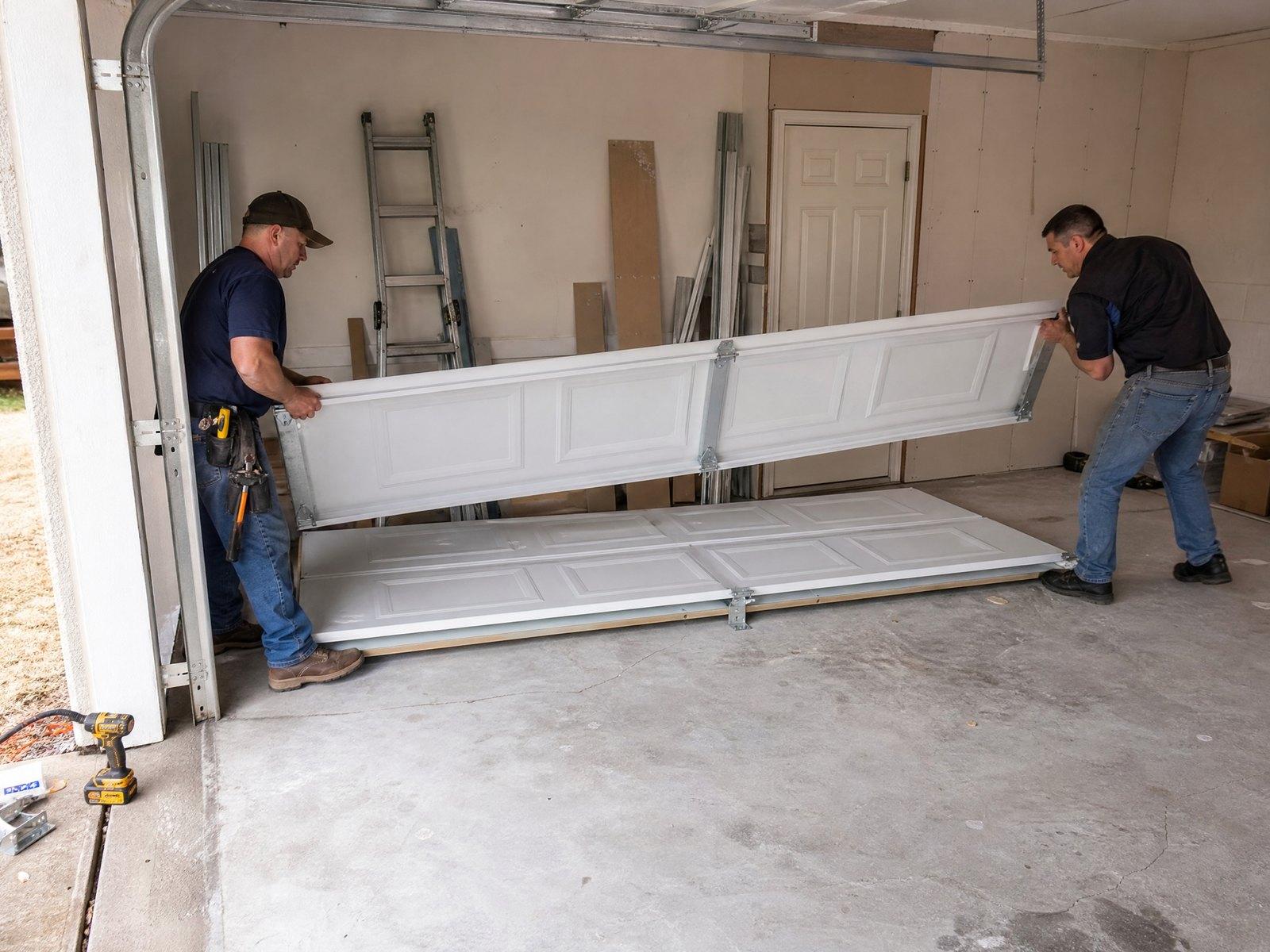
Why a door might need new seals
Daylight showing around the edges of a closed door
A bottom seal that is cracked, flattened or hardened
Snow, leaves or water blowing under the door
Mice, insects or drafts in the garage
A cold floor in the room above the garage
Condensation or frost on the inside of the panels
How the work goes, step by step
Find the gaps
The door is checked from inside with the lights off, or with a flashlight, to see where light and air get through.
Pick the seals
The right bottom seal and weatherstripping are matched to the door and the retainer.
Fit the seals
Old seals are pulled out, and new ones are installed along the bottom, sides and top.
Add insulation if chosen
Panels are cleaned and an insulation kit is fitted without blocking moving parts.
Rebalance and test
The door is balanced again, since weight may have changed, and run through its cycle.
What changes the price
- Door width
- A double door needs more seal than a single.
- Type of seal
- Bottom seals, bulb seals, brush seals and thresholds differ in cost and performance.
- Insulation kit or new door
- A kit costs less than a new insulated door but gives smaller gains.
- Condition of the door and frame
- Warped panels and a rotten frame make a seal harder to fit.
- Balance changes
- Added insulation weight may need spring adjustment.
- Floor condition
- An uneven slab can need a threshold or filler.
What a good quote spells out
- The seal types and materials for the bottom, sides and top
- Whether the quote covers the full perimeter
- The insulation option and its rated R-value if a kit is used
- Whether the spring balance is checked after the work
- How the cost compares with replacing the door
Weather Seals & Insulation: questions people ask
How long does a garage door bottom seal last?
Several years in a mild climate, less where sun, cold and salt are harsh. A seal that is cracked or flat should be replaced.
Does an insulated garage door make a big difference?
On a heated or attached garage, yes, it cuts drafts and noise. In a detached, unheated garage the gain is smaller.
Can weatherstripping keep out mice?
A good seal along the bottom and sides closes the gaps they use, though they can still find other ways in.
Is a threshold seal worth adding?
If water runs toward the door or the floor is uneven, a threshold keeps it out. It also gives the bottom seal a flat surface to press against.
Other Foyen services
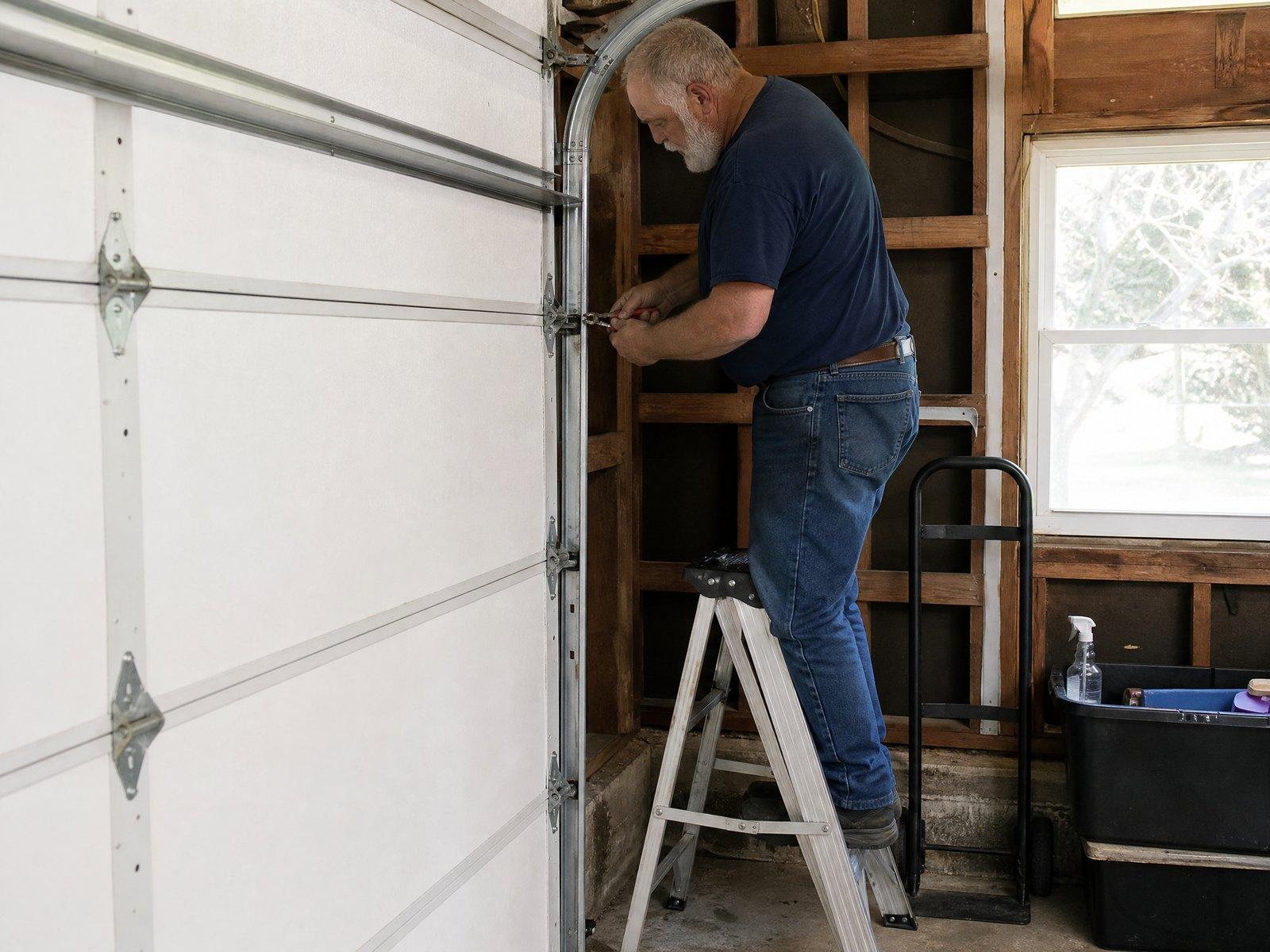
Door Stuck, Noisy or Off Track? Get It Looked At.
Fill out the quote form with your city and what the door is doing. A local technician follows up to look at the door and give you a written quote. Free to request, no obligation.
Request a free quote →